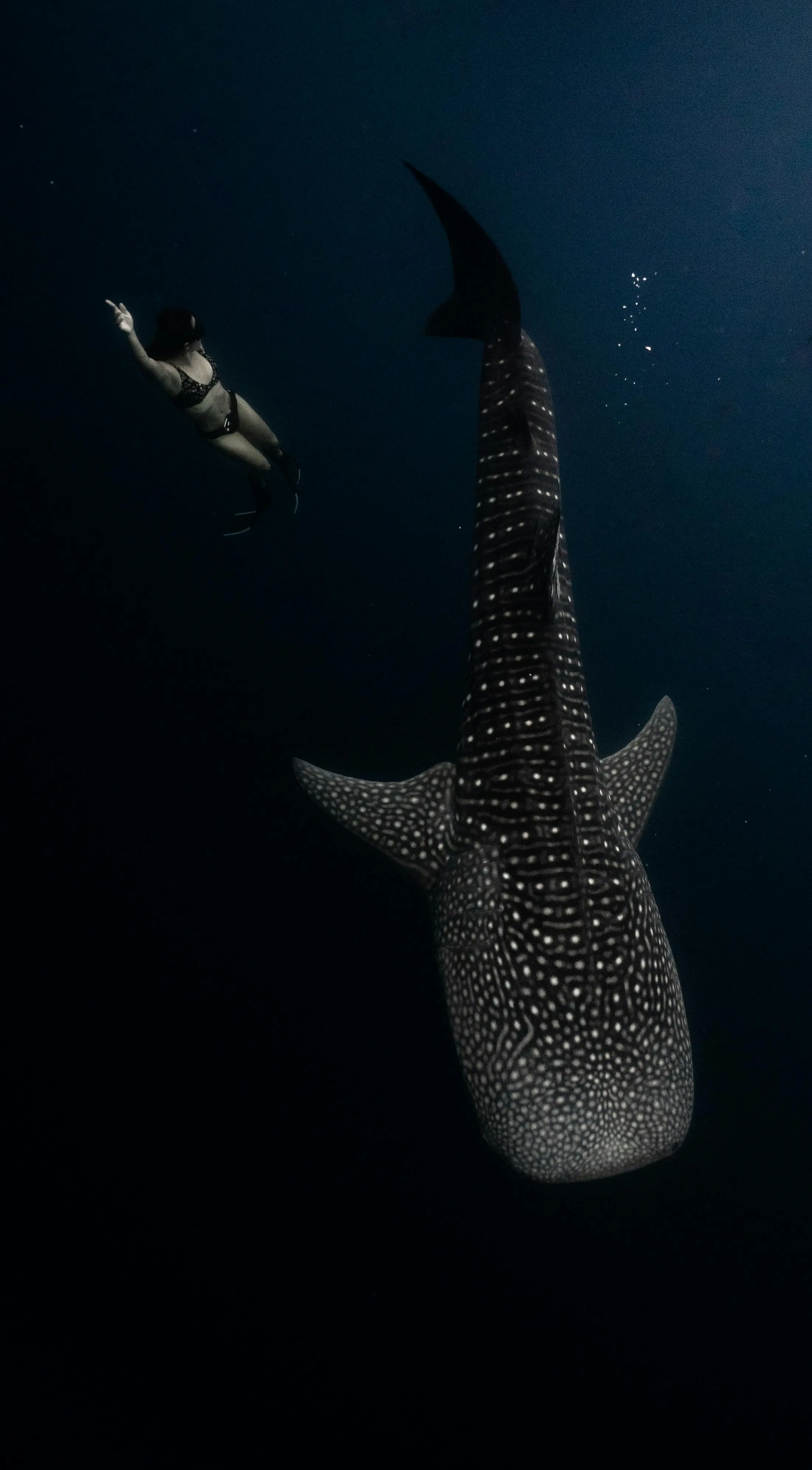
Palawan is a UNESCO Biosphere Reserve and one of the world’s most biodiverse island ecosystems. Responsible travel here involves specific, practical choices — not just good intentions. This guide covers the most important ones.
Why Palawan Is Called the Last Frontier
Palawan contains 40% of the Philippines’ remaining mangrove forests, over 1,780 plant species, 232 bird species (14 endemic), and marine ecosystems supporting whale sharks, sea turtles, dugongs, manta rays, and 1,000+ reef fish species. Tubbataha Reef Natural Park is ranked among the world’s top dive sites.
This biodiversity exists because Palawan has been less developed than other provinces — with stricter environmental regulations including single-use plastic bans, mandatory conservation fees, and active marine wildlife protection programmes.
Reef-Safe Sunscreen — Why It Matters
Standard chemical sunscreens contain oxybenzone and octinoxate — compounds proven to cause coral bleaching and disrupt coral reproduction. Research shows that even 62 parts per trillion can damage reef ecosystems.
Reef-safe alternatives use mineral UV filters — zinc oxide or titanium dioxide — which remain on the skin surface rather than absorbing and washing into the water.
In Palawan: Most ethical operators (including Tour Z) strongly encourage reef-safe sunscreen on boat tours. Some require it. Tour Z carries reef-safe options onboard.
How to Choose an Ethical Tour Operator
The difference between ethical and exploitative tourism in Palawan is most visible in wildlife encounters. Questions to ask before booking:
- What is the maximum group size per departure — and is it enforced?
- Are wildlife interaction protocols (IUCN guidelines) briefed before in-water encounters?
- Does the headline price include the ₱200 eco-tax?
- Do they employ local guides and crew?
- Are engines quiet enough to avoid acoustic stress to wildlife?
Tour Z’s whale shark expedition and Port Barton island hopping meet all of these criteria. See our ethical standards →
The ₱200 DOT Eco-Tax Explained
The Philippine Department of Tourism requires a ₱200 environmental conservation fee per person on boat tours in Palawan. These funds support reef protection, coastal waste management, and marine wildlife monitoring programmes.
Most operators advertise ₱1,500 for Port Barton island hopping and collect the eco-tax separately at the pier — making the real price ₱1,700. Tour Z includes it upfront in the ₱1,700 price — no pier surprises.
Supporting Local Businesses
Direct economic impact occurs when you book through locally owned guesthouses, family restaurants, and community tour operators rather than international booking platforms.
Practical note: Booking through Klook, Viator, or GetYourGuide adds 15–30% markup and routes commission out of Palawan. Booking directly with Tour Z (or any local operator) means more of your money stays in the community. Book direct here →
Responsible Travel Checklist for Palawan
- ✓ Use reef-safe sunscreen (zinc oxide or titanium dioxide based)
- ✓ Carry a reusable water bottle — single-use plastic discouraged across Palawan
- ✓ Book local operators with enforced group size limits
- ✓ Follow wildlife briefings — no touching, no flash photography, no blocking paths
- ✓ Never lift starfish or sea cucumbers — brief air exposure can be fatal
- ✓ Pay the eco-tax willingly — it funds reef protection
- ✓ Leave no waste on any island
Frequently Asked Questions
What sunscreen is reef-safe in Palawan?
Look for mineral-based sunscreens with non-nano zinc oxide or titanium dioxide. Avoid products listing oxybenzone, octinoxate, or octocrylene in their ingredients. Tour Z provides reef-safe options onboard.
What is the Palawan eco-tax and where does the money go?
The ₱200 per-person DOT conservation fee supports reef protection, waste management infrastructure, and marine wildlife monitoring. Tour Z includes this in the advertised tour price.
Are plastic bags banned in Palawan?
Palawan has a municipal ordinance banning single-use plastics including bags, straws, and styrofoam containers. Bring reusable alternatives. Tour Z operates plastic-free on all departures.
Whale Shark Tour — ethical by design → · Port Barton Island Hopping →