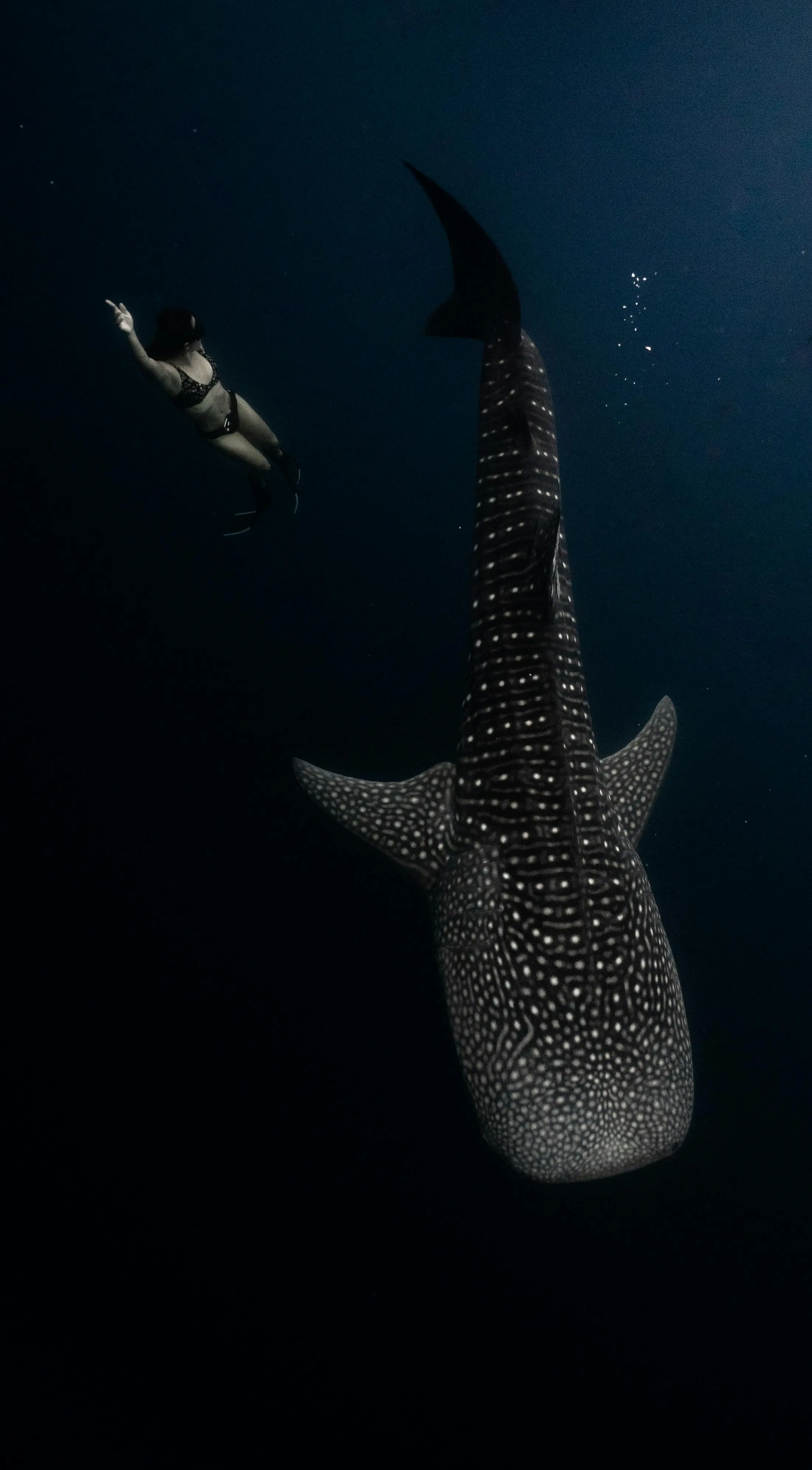
An ethical whale shark tour follows IUCN guidelines: no feeding or baiting, no touching, minimum 3-metre body distance and 4-metre tail distance, no flash photography, and passive observation only. Encounters should occur in open ocean with wild, unhabituated sharks — not at feeding stations.
The word “ethical” is used freely in adventure tourism marketing — often without any specific meaning. When it comes to whale shark encounters, the difference between ethical and exploitative is not a matter of opinion but of documented science, international guidelines, and observable impact on the animals.
What IUCN Guidelines Actually Say
The International Union for Conservation of Nature (IUCN) Shark Specialist Group has published specific guidelines for responsible whale shark tourism. These are the internationally accepted standards:
- No feeding, baiting, or attracting whale sharks by any artificial means
- Minimum 3 metres distance from the body, 4 metres from the tail at all times
- No touching or riding the animal under any circumstances
- No positioning swimmers or vessels directly above the shark
- No flash photography — sudden flashes disturb and disorient the animal
- Maximum number of swimmers in the water at any one time (IUCN suggests 10; Tour Z limits to 12 total guests)
- Engine should be turned off or in idle when within 250 metres of a whale shark
The Six Signs of a Genuinely Ethical Operator
1. No Feeding or Baiting
Any operator that uses food to attract or keep whale sharks nearby has automatically disqualified itself from being ethical — regardless of how the marketing is worded. Oslob in Cebu is the clearest example: daily artificial feeding creates guaranteed sightings but has been linked to altered migration patterns, physical injury, and disease in the shark population.
2. Open Ocean, Not Enclosed Bays
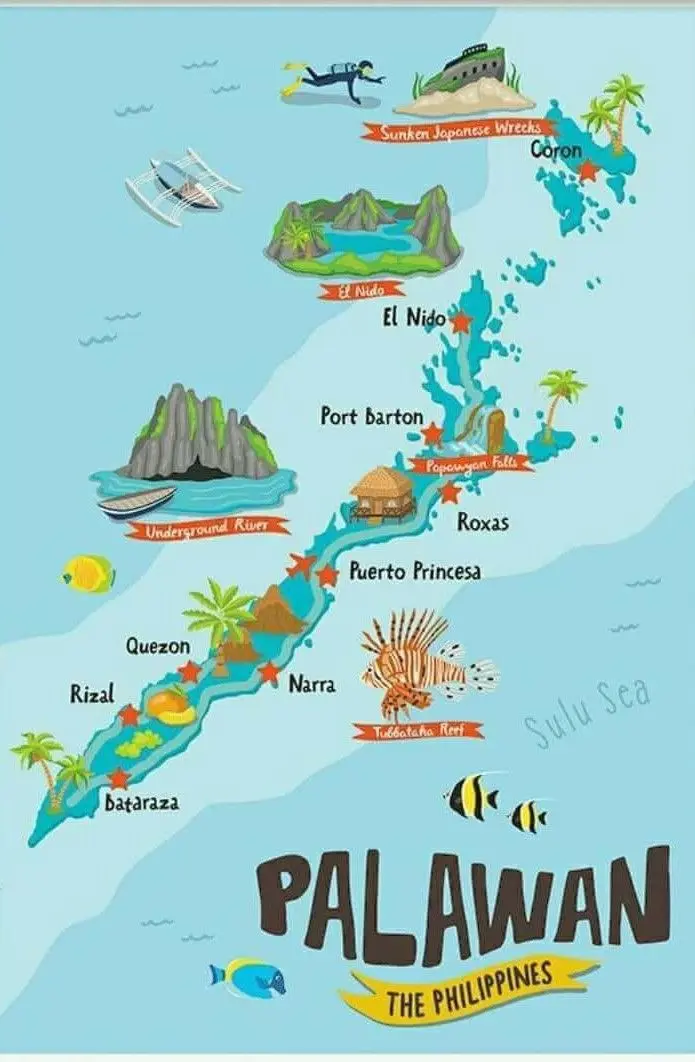
Ethical encounters happen where the sharks choose to be. Enclosed bay operations trap animals in a small area with constant human presence. Open ocean encounters (like Puerto Princesa) allow the shark to leave at will — the encounter ends when the shark dives, not when the guide decides.
3. Enforced Group Size Limits
Overcrowding in the water creates noise, visual disturbance, and stress for the animal. Ethical operators enforce strict per-departure guest limits. Tour Z caps at 12 guests for the whale shark tour. Operators with 30+ guests per boat cannot provide genuinely ethical in-water encounters — the physics of crowd control don’t permit it.
4. Pre-Swim Wildlife Briefing
Every ethical operator provides a detailed briefing before any guest enters the water: distance rules, no-flash photography, how to position relative to the shark, what to do if the shark surfaces directly beneath you. If no briefing is given, leave.
5. Transparent Refund Policy
Operators who guarantee sightings are, by definition, either feeding the animals or lying. An honest refund policy (like Tour Z’s 2-in-1 Success Guarantee — 25% refund for one species, 50% for none) reflects the reality of wild encounters and ensures the operator has no financial incentive to compromise animal welfare for guaranteed income.
6. Quiet Engines
Modern 4-stroke outboard engines produce significantly less underwater noise than traditional diesel bangka engines. Dolphins and whale sharks are sensitive to sound — quieter vessels cause less disruption during encounters.
Red Flags to Avoid
- Guaranteed sightings advertised — only possible with feeding or habituation
- Year-round availability where no natural season exists
- No pre-swim briefing provided
- Guests allowed to touch, chase, or ride sharks
- No distance guidelines enforced in the water
- Operations in small, enclosed bays
How Tour Z Meets International Standards
Tour Z’s whale shark expedition in Puerto Princesa adheres fully to IUCN guidelines on every departure:
- Wild, open ocean encounters only — zero feeding, zero bait, zero chum
- Maximum 12 guests per tour
- Full briefing before every swim
- 3m body / 4m tail minimum distance enforced by our guide in the water throughout
- Quiet 4-stroke engines idled near animals
- Aerial drone used only for spotting — not filming guests
- Citizen science data collected on every departure (photo ID, GPS, behaviour)
Frequently Asked Questions
Is it ethical to swim with whale sharks?
Yes — when conducted correctly in wild natural habitat following IUCN guidelines, without feeding or baiting. Wild open ocean encounters (Puerto Princesa) are fundamentally different from conditioned feeding encounters (Oslob). The key question is: did the shark choose to be there?
What distance should you keep from a whale shark?
IUCN guidelines specify a minimum of 3 metres from the body and 4 metres from the tail. Tour Z guides enforce these distances throughout every in-water encounter without exception.
Are whale shark tours in the Philippines regulated?
DENR guidelines exist for whale shark interaction. Enforcement varies by location. Open ocean wild encounters are inherently more ethical than enclosed bay feeding operations regardless of individual operator compliance — the structure of the encounter matters more than the paperwork.
What is the most ethical whale shark destination in the Philippines?
Puerto Princesa (wild, open ocean, seasonal) and Donsol in Sorsogon (wild, seasonal, no speedboats) are the two most ethical options. Oslob in Cebu is the least ethical due to daily artificial feeding.
Tour Z operates Puerto Princesa’s only IUCN-compliant whale shark expedition. Book your ethical encounter →