Turtle Point in Port Barton, Palawan is a designated turtle-watching zone where wild green sea turtles (Chelonia mydas) feed on seagrass and surface to breathe year-round. Sightings are most consistent December to May with water clarity of 10–15 metres. Most Tour Z groups observe at least one turtle during peak season. Observation is passive only — no touching, chasing, or riding permitted.
Where Is Turtle Point?
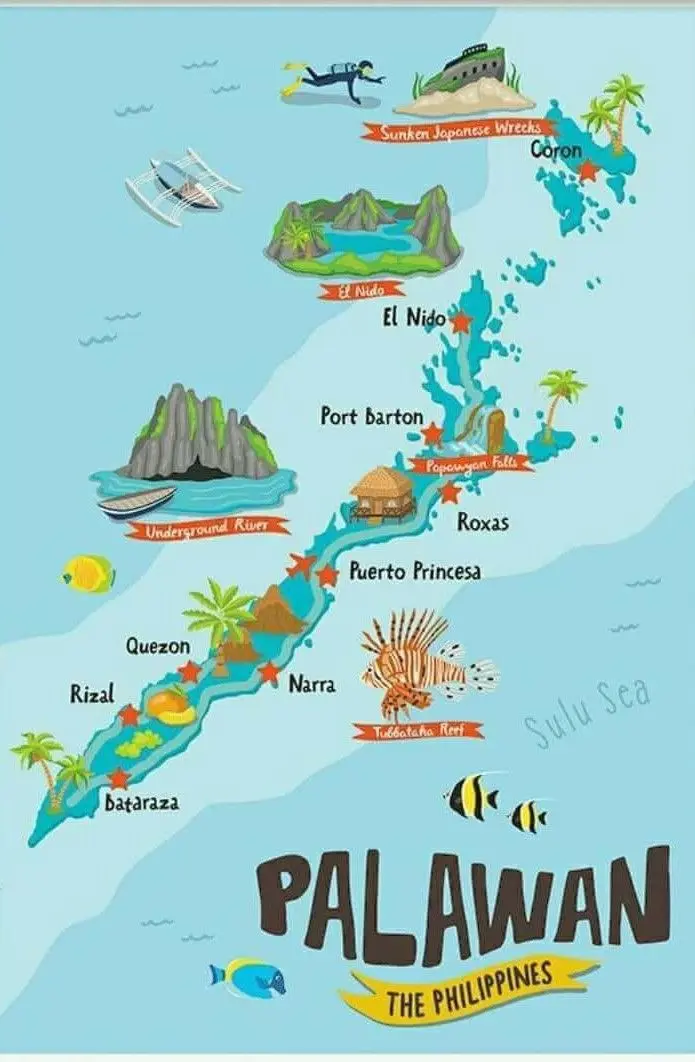
Turtle Point is located in the waters surrounding Port Barton Bay, approximately 20–30 minutes from the beach by bangka boat. It functions as a designated wildlife watching zone and is one of the six stops on Tour Z’s island hopping circuit. Independent access by swimming from shore is not possible — a boat tour is required.
Which Species Are Found Here?
Green Sea Turtle (Chelonia mydas) — The primary species. Adults reach up to 1.5 metres in length and 200kg. Green sea turtles are primarily herbivores, grazing on seagrass in shallow water — which is why Turtle Point is so productive for sightings. They surface to breathe every 5–7 minutes, which is when snorkellers have the best opportunity to observe them.
Hawksbill Sea Turtle (Eretmochelys imbricata) — Occasionally sighted. Identifiable by their distinctive narrow beak and patterned shell. Also IUCN Endangered.
Both species are listed as Endangered on the IUCN Red List.
Best Time for Turtle Sightings
| Season | Visibility | Sighting Rate | Notes |
|---|---|---|---|
| December–May (Peak) | 10–15m | ★ Excellent | January–March is the most consistent period |
| June–September | Reduced | Good | Turtles still present; fewer crowds |
| October–November | Improving | Good | Shoulder — improving conditions |
Time of day: Sea turtles feed most actively in the morning. Tour Z arrives at Turtle Point early in the tour — typically before 11:00 AM — to take advantage of morning conditions and avoid afternoon boat traffic.
What the Encounter Is Like
The guide cuts the engine and lets the boat drift quietly while scanning the surface. When a turtle surfaces to breathe — typically every 5–7 minutes — snorkellers slip silently into water 3–6 metres deep over seagrass beds.
Green sea turtles are generally unbothered by calm, quiet snorkellers. A turtle feeding on seagrass will often continue feeding even with snorkellers nearby, as long as no one approaches or disturbs it. This passive approach creates genuinely wild encounters rather than staged performances.
Responsible Turtle Watching Rules
- Never touch, chase, or attempt to ride a sea turtle — causes serious stress
- Never position yourself directly above a turtle surfacing to breathe — blocking air access is dangerous
- No flash photography underwater — sudden light causes disorientation
- Stay horizontal in the water — vertical kicking creates more disturbance than horizontal gliding
- If a turtle swims toward you, stay still — let it decide the distance
Tour Z guides enforce these rules from the water on every entry.
Turtle Point vs Other Philippine Sea Turtle Sites
| Site | Species | Type | Ethical Rating |
|---|---|---|---|
| Turtle Point, Port Barton | Green, Hawksbill | Wild encounter, seagrass feeding | ✓ Fully ethical |
| Apo Island, Negros | Green, Hawksbill | Protected marine sanctuary | ✓ Fully ethical |
| Moalboal, Cebu | Green | Wild, sometimes crowded | Good — variable |
| Some El Nido stops | Green | Operator dependent | Variable |
Frequently Asked Questions
Are sea turtle sightings guaranteed at Turtle Point?
Sightings are very common but not guaranteed — these are wild animals following natural feeding patterns. Most Tour Z groups see at least one turtle during peak season (December–May). Our counter-clockwise routing means we arrive before other boats, which maximises the odds.
Can you touch the sea turtles at Turtle Point?
No. Touching is harmful and prohibited. Tour Z enforces passive observation only. Turtles are observed from a respectful distance — we never approach, chase, or block their path to the surface.
What is the best month for turtle sightings in Port Barton?
January to March offers the most consistent sightings — calm seas, excellent visibility, and turtle feeding activity at its peak. December and April are also very good. Turtles are present and visible year-round.